Explore More
Oklahoma's second-largest city blends big-city culture with genuine Midwestern warmth and an unbeatable cost of living.
Population
Median Home Price
Major Neighborhoods
Parks
Lifestyle
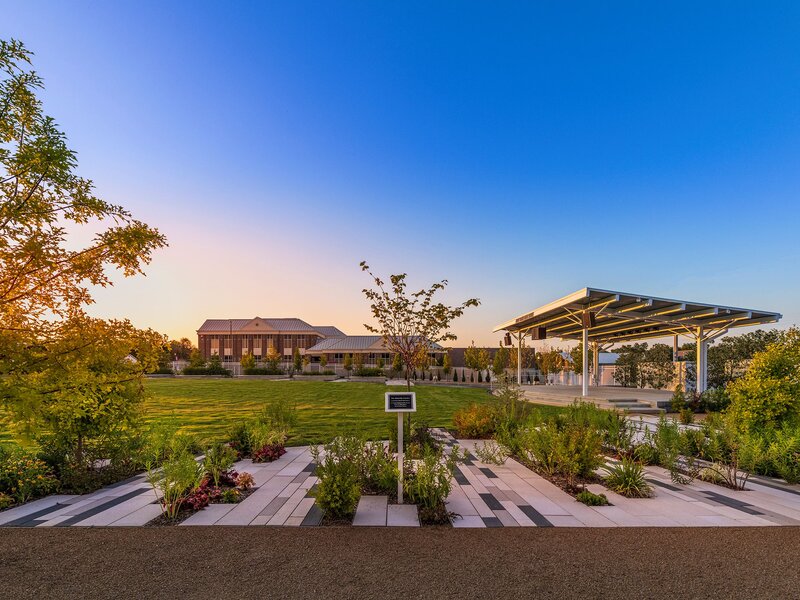
Tulsa is a city that continually reinvents itself. Once known primarily as the Oil Capital of the World, today's Tulsa is a cultural powerhouse with a nationally recognized food scene, world-class museums, and green spaces that rival cities three times its size. Gathering Place, the $465 million riverside park, is consistently ranked among the best public parks in the country and has become a symbol of what Tulsa can accomplish when the community comes together.
The arts scene is equally impressive. The Philbrook Museum of Art, housed in a stunning 1920s villa, and the Gilcrease Museum are world-class institutions. Cain's Ballroom, the "Carnegie Hall of Western Swing," hosts national touring acts alongside Tulsa's thriving local music scene. The Tulsa Performing Arts Center brings Broadway tours, the Tulsa Symphony, and Tulsa Ballet to a stage that seats thousands.
Food lovers will find everything from James Beard-nominated restaurants to legendary Tex-Mex joints, authentic Vietnamese pho, craft breweries, and some of the best BBQ in the region. Annual events like Mayfest, Oktoberfest, the Tulsa State Fair, and the Cherry Street Farmers Market keep the calendar full year-round. Whether you are into live music, outdoor adventures, or simply enjoying a Saturday morning at a neighborhood coffee shop, Tulsa delivers a quality of life that surprises people who have never visited.
Education
Tulsa Public Schools is the largest district in the metro area, serving more than 33,000 students across a diverse range of traditional, magnet, and charter schools. Standout schools include Eliot Elementary, Eisenhower International School, and Booker T. Washington High School, which is consistently ranked among the top public high schools in Oklahoma and has produced notable alumni across every field.
Tulsa's private school landscape is equally strong. Holland Hall, Cascia Hall Preparatory School, Bishop Kelley High School, Metro Christian Academy, Riverfield Country Day School, and Victory Christian School all offer rigorous academics, competitive athletics, and engaged communities. Many families choose Tulsa specifically because of the breadth of educational options available.
Parts of South Tulsa fall within the Jenks and Union school districts, both ranked among the very best in the state. This geographic overlap means that families living in certain Tulsa neighborhoods can access suburban-quality schools without leaving the city. Higher education options include the University of Tulsa, Oral Roberts University, and Tulsa Community College, all of which contribute to the city's intellectual vitality.
Market
Tulsa's real estate market offers outstanding value compared to national averages. With a median home price around $235,000 and an average closer to $311,000, the range reflects the remarkable diversity of housing available. You can find a charming 1920s bungalow in Maple Ridge for under $300K, a modern downtown loft starting around $200K, or a spacious new-construction home in South Tulsa for $400K and up. For investors, entry points start well under $150K in many neighborhoods.
At roughly $147 per square foot, buyers get significantly more space and quality for their money than in peer cities like Austin, Nashville, or Denver. The market has seen steady appreciation over the past several years, driven by population growth, the Tulsa Remote program, and continued investment in infrastructure and downtown development. Days on market remain reasonable, and while competition exists for well-priced homes in popular neighborhoods, the market is far more balanced than the frenzied coastal markets.
Whether you are a first-time buyer, a move-up buyer, or an investor, Tulsa offers something at virtually every price point. The combination of affordability, appreciation potential, and quality of life makes it one of the strongest real estate markets in the region.
Local Life
Tulsans are passionate about their city, and for good reason. Gathering Place is the crown jewel of the parks system, but Turkey Mountain Urban Wilderness Area, Mohawk Park, and the miles of paved trails along the Arkansas River provide endless outdoor recreation. The River Parks trail system stretches over 25 miles and is a favorite for runners, cyclists, and families.
Dining highlights include Burn Co. BBQ, Oren, Laffa Medi-Eastern, The Tavern, and Juniper for upscale evenings. The Mother Road Market food hall in the Route 66 district has become a gathering spot for locals craving everything from ramen to wood-fired pizza. For craft beer, Marshall Brewing, American Solera, and Cabin Boys Brewery are all worth a visit.
Sports fans follow the Tulsa Drillers (AA baseball affiliate of the Dodgers), FC Tulsa (USL Championship soccer), and University of Tulsa Golden Hurricane athletics. The BOK Center hosts major concerts and events year-round, and Cain's Ballroom remains one of the most iconic small music venues in the country.
Economy
Tulsa's economy has diversified significantly beyond its oil and gas roots. Major employers include ONEOK, Williams Companies, American Airlines (which operates one of the world's largest aircraft maintenance facilities here), Bank of Oklahoma, and Saint Francis Health System. The tech sector is surging, with Tulsa Innovation Labs attracting investment in advanced mobility, energy tech, virtual health, and cybersecurity, creating high-paying jobs and drawing a younger, more diverse workforce.
The Tulsa Remote program, which offers $10,000 to remote workers who relocate to the city, has brought thousands of new residents and injected millions into the local economy. These transplants have opened businesses, joined community organizations, and contributed to the city's cultural renaissance. The program has been so successful that it has inspired similar initiatives in cities across the country.
Downtown Tulsa continues to see major investment. The Gathering Place expansion, new mixed-use developments along the river, and the ongoing revitalization of the Greenwood District are all adding momentum. Unemployment remains consistently below the national average, and the combination of low cost of living with growing wages makes Tulsa an increasingly attractive destination for professionals at every stage of their careers.
Neighborhoods
A walkable neighborhood centered on Peoria Avenue, Brookside is known for its charming bungalows, locally owned shops, and a vibrant dining scene. Families love the tree-lined streets, proximity to the Arkansas River trails, and the strong sense of community that comes from living in one of Tulsa's most beloved neighborhoods. Home prices typically range from $200K to $500K.
One of Tulsa's most historic neighborhoods, Maple Ridge features stately homes from the 1920s oil-boom era, mature trees, and proximity to Utica Square and the Philbrook Museum. It is a blend of architectural grandeur and quiet residential charm, with homes ranging from $250K for smaller cottages to well over $1M for the grand estates along the tree-lined streets.
One of Tulsa's best-kept secrets, Florence Park is a cozy neighborhood of well-maintained 1920s through 1940s homes near 36th and Peoria. It has its own park, a strong neighborhood association, and a walkable feel without the premium prices of nearby Brookside. Homes here typically range from $150K to $350K, making it an excellent entry point for midtown living.
The stretch of 15th Street between Peoria and Utica is Cherry Street, Tulsa's original walkable shopping district. The surrounding neighborhood features a mix of cottages and bungalows with an artsy, eclectic vibe and easy access to boutiques, cafes, and nightlife. It draws young professionals and creatives who want to be in the heart of Tulsa's culture scene.
Tulsa's downtown has been transformed with lofts, galleries, restaurants, and the BOK Center. The Tulsa Arts District is a hub for creatives, anchored by Cain's Ballroom, the Woody Guthrie Center, and a growing number of mixed-use developments. Living downtown means walkability, nightlife, and being at the center of everything happening in the city.
South Tulsa offers newer construction, larger lots, and access to highly rated Jenks and Union school districts. It is a popular choice for families seeking suburban space with easy highway access to the rest of the metro. Home prices vary widely, from $200K townhomes to $800K+ custom builds in gated communities, with plenty of options in between.
FAQ
Tulsa's cost of living is approximately 14% below the national average. Housing is where you see the biggest savings -- the median home price of $235K is roughly half the national median. Groceries, utilities, and transportation are also below average, making Tulsa an excellent city for stretching your dollar while maintaining a high quality of life.
Brookside, South Tulsa, and areas zoned for Jenks or Union school districts are top picks for families. These neighborhoods offer great schools, parks, low crime rates, and a strong sense of community. Florence Park and Maple Ridge are also excellent for families who prefer walkable, established neighborhoods closer to midtown with character and charm.
Absolutely. The Tulsa Remote program has made the city a national leader in attracting remote workers by offering $10,000 relocation grants. With affordable housing, excellent coworking spaces like 36 Degrees North, high-speed internet infrastructure, and a thriving social scene, Tulsa offers an ideal environment for remote professionals looking for a better quality of life.
Tulsa's job market is diverse and growing. Energy remains a major sector, but healthcare, aerospace (American Airlines), finance (BOK Financial), and a rapidly expanding tech and cybersecurity scene provide a wide range of opportunities. Unemployment has remained consistently below the national average, and the growth of remote work has added even more economic resilience.
Tulsa enjoys four distinct seasons. Summers are hot and humid with highs in the 90s, winters are generally mild with occasional ice storms, and spring and fall are beautiful with comfortable temperatures in the 60s and 70s. Tulsa does sit in Tornado Alley, so severe weather awareness is important in spring, but modern warning systems and safe rooms keep residents well-prepared.
Explore More